

India Sustains Operations Amid West Asia Disruptions; Over 10.68 Lakh Passengers Moved, 17.25 Lakh Cylinders Distributed
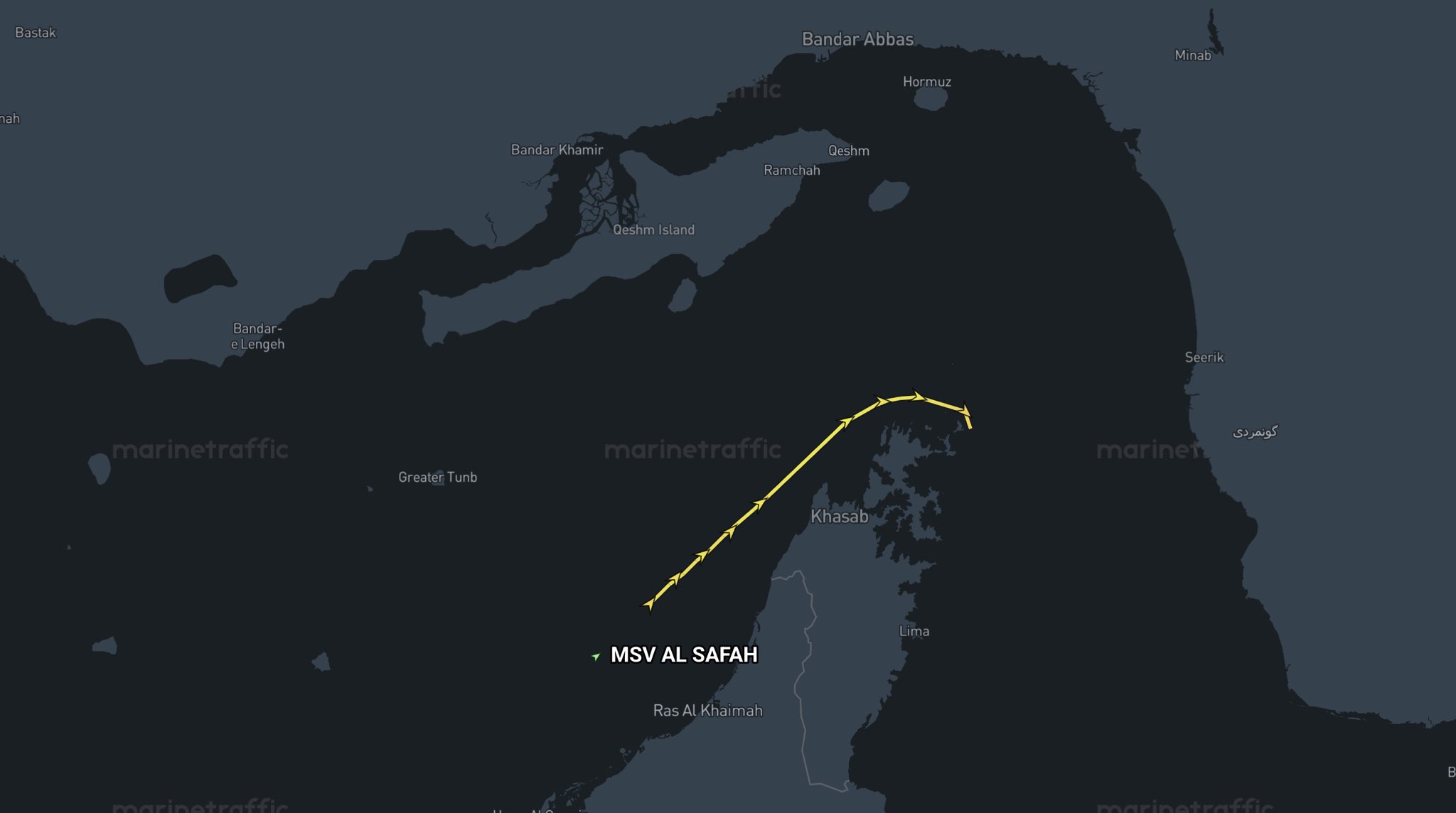
The Government of India has intensified a nationwide, multi-sector response to the ongoing West Asia conflict, ensuring continuity in energy supply, maritime operations and citizen evacuation even as disruptions around the Strait of Hormuz continue to test global supply chains.
 |
| Image Via: @globaldaily on X |
The Ministry of Petroleum and Natural Gas said uninterrupted availability of petrol, diesel and LPG is being maintained, with “100% supply” ensured for domestic LPG, PNG and CNG transport sectors, even as the government urged citizens to avoid panic buying and rely on official advisories.
To ease pressure on demand, alternate fuels such as kerosene and coal have been deployed, while refinery output has been increased and booking cycles rationalised to manage consumption patterns.
Data released by the government shows the scale of intervention, with more than 52 lakh domestic LPG cylinders delivered in a single day (April 17) and over 17.25 lakh 5-kg free trade LPG cylinders sold since March 23, targeted particularly at migrant and vulnerable populations.
Commercial LPG supply has been restored to about 70% of pre-crisis levels, with priority allocation to hospitals, agriculture, pharmaceuticals and other critical sectors, while over 1.58 lakh metric tonnes of commercial LPG have been distributed since mid-March.
To curb hoarding and black marketing, enforcement has been stepped up nationwide. More than 2,500 raids were conducted in a single day, leading to the seizure of over 750 cylinders, while oil marketing companies have imposed penalties on 263 distributors and suspended 67.
States and Union Territories have activated control rooms and district monitoring mechanisms under the Essential Commodities Act, with daily reviews, inspections and public advisories aimed at stabilising supply and prices.
Parallel efforts are underway to structurally reduce dependence on LPG through accelerated expansion of piped natural gas (PNG) networks. Since March, more than 4.76 lakh PNG connections have been activated and 5.33 lakh new registrations recorded, with over 37,500 consumers voluntarily surrendering LPG connections.
The government has linked additional commercial LPG allocation to PNG reforms, with 22 states and UTs now receiving enhanced allocations tied to this transition.
In the transport and fuel segment, retail outlets across the country remain fully operational, with no reported shortages.
Despite global crude price spikes triggered by the conflict, the government has cut excise duty on petrol and diesel by ₹10 per litre to shield consumers, while raising export levies on diesel and aviation turbine fuel to ensure adequate domestic availability.
On the maritime front, the Ministry of Ports, Shipping and Waterways confirmed that all Indian seafarers in the region are currently safe, with no incidents involving Indian-flagged vessels reported in the past 24 hours.
The Directorate General of Shipping has handled over 6,827 calls and 14,266 emails since activation of emergency systems, and has facilitated the repatriation of over 2,487 Indian seafarers, including 34 in the last day alone. Port operations across India remain normal, with no congestion reported.
India’s evacuation and mobility operations have scaled significantly since the conflict began on February 28. The Ministry of External Affairs said approximately 10.68 lakh passengers have travelled from the region to India, supported by a mix of scheduled and special flights across the Gulf.
Air corridors remain partially operational, with limited flights continuing from the UAE, Saudi Arabia, Oman, Bahrain and Qatar, while alternative routing via Dammam has been arranged for Kuwait-bound passengers.
Indian missions in the region have maintained round-the-clock engagement, facilitating evacuations and safe passage through multiple corridors. Notably, the Indian Embassy in Tehran has enabled the movement of 2,373 Indian nationals from Iran to Armenia and Azerbaijan for onward return to India, including 1,041 students and 657 fishermen, reflecting targeted humanitarian outreach amid escalating risks.
The comprehensive response underscores a “whole-of-government” approach aimed at insulating the domestic economy from external shocks, even as the conflict continues to disrupt one of the world’s most critical energy corridors.
Authorities have emphasised coordinated action with states, proactive public communication and strict enforcement to ensure that supply chains remain stable and essential services uninterrupted despite ongoing geopolitical volatility.