

India's Modi Tells Iran’s President India’s Priority Is Safety of Nationals and Unhindered Energy Transit
Indian Prime Minister Narendra Modi spoke with Iranian President Masoud Pezeshkian on Thursday as the expanding war in the Middle East continued to threaten regional stability, global energy routes and the safety of foreign nationals.
Modi said he discussed the “serious situation in the region” with Pezeshkian and conveyed India’s concerns over the worsening humanitarian and security crisis.
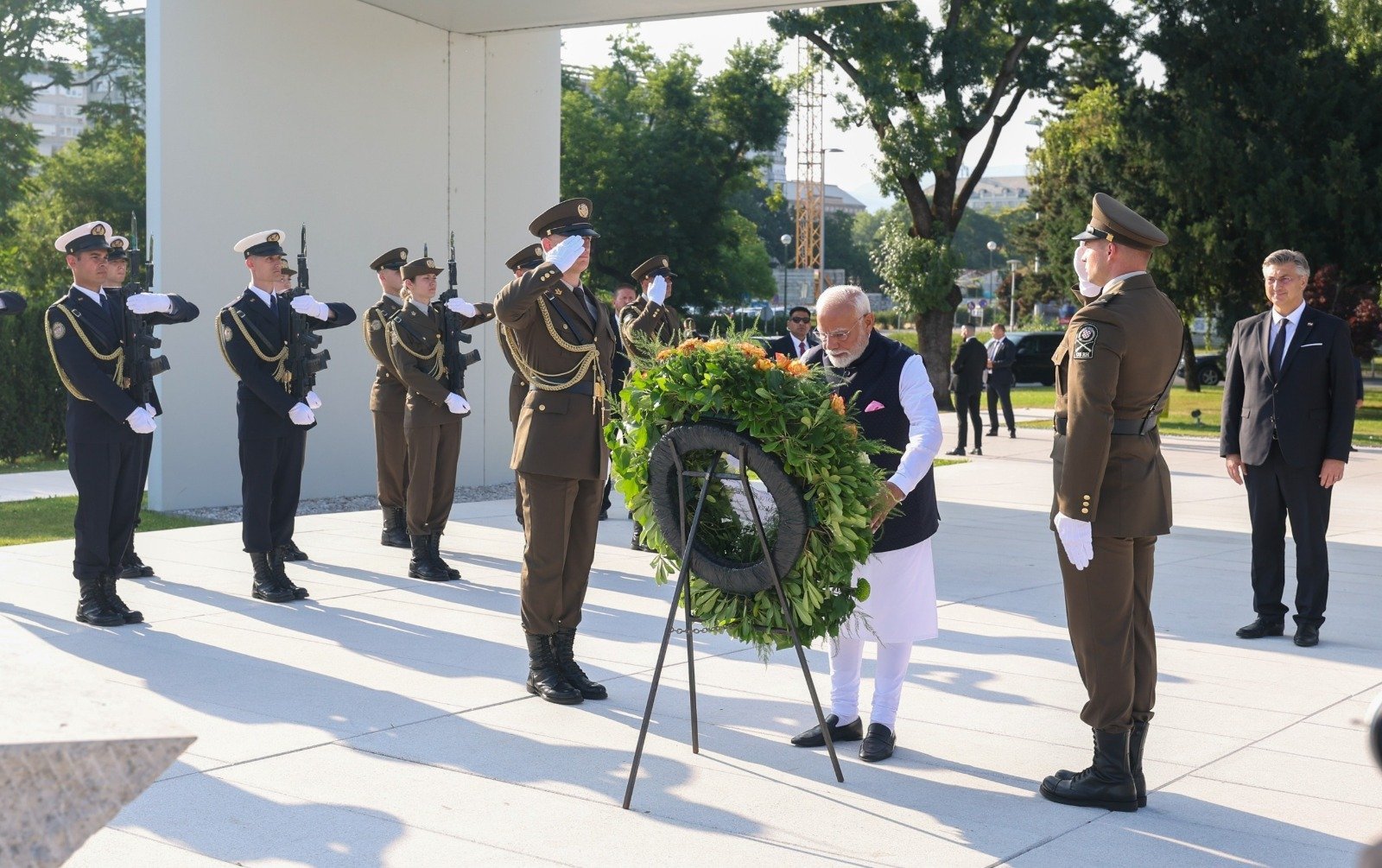 |
| Image Source: PM NaMo on X from earlier Iran visit |
The Indian prime minister said the safety of Indian nationals in the region and uninterrupted global trade and energy flows were central to India’s concerns as the conflict widens.
“The safety and security of Indian nationals, along with the need for unhindered transit of goods and energy, remain India’s top priorities,” he said.
با رئیسجمهور ایران، دکتر مسعود پزشکیان، گفتوگو کردم تا وضعیت جدی در منطقه را مورد بحث قرار دهم.
— Narendra Modi (@narendramodi) March 12, 2026
نگرانی عمیق خود را نسبت به تشدید تنشها، از دست رفتن جان غیرنظامیان و همچنین آسیب به زیرساختهای غیرنظامی ابراز کردم.
ایمنی و امنیت شهروندان هندی، همراه با ضرورت تداوم بدون مانعِ…
Modi also reiterated India’s longstanding diplomatic position that the crisis must be resolved through negotiations rather than further escalation.
“Reiterated India’s commitment to peace and stability and urged for dialogue and diplomacy,” he said.
The conversation comes as the war between Iran, Israel and the United States continues to expand across the region, with Iranian leaders threatening retaliation and signalling they may continue to use the Strait of Hormuz—through which roughly one-fifth of the world’s oil supply passes—as strategic leverage.
For India, one of the world’s largest energy importers, the conflict poses immediate risks to oil supply chains, maritime shipping routes and the safety of thousands of Indian nationals working across the Gulf region.
New Delhi has so far sought to maintain a careful diplomatic balance, calling for de-escalation while closely monitoring the rapidly evolving conflict and its potential economic and security consequences.