

Putin Showcases Economic Defiance, Eyes Strategic Ties with India and China While Kursk Pushes for Post-Conflict Revival
Russian President Vladimir Putin used a high-profile international investment forum in Moscow to reinforce his country’s defiant economic narrative and shift in geopolitical orientation, positioning India and China as key pillars of Russia’s external economic strategy.
At the same time, in a parallel engagement, Putin reviewed efforts to rebuild the conflict-affected Kursk region, linking local revival with broader themes of national resilience and historical memory.
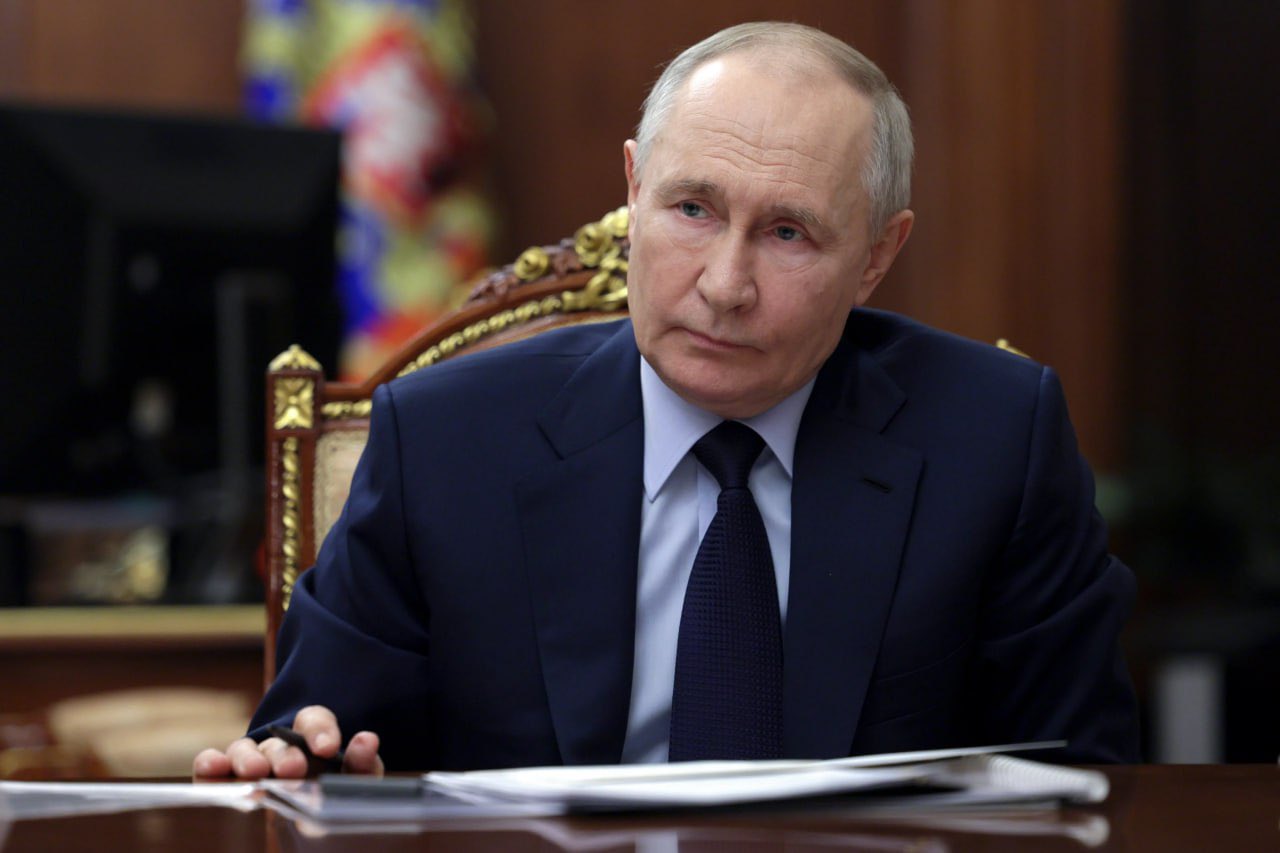
He accused Western nations of attempting to preserve global dominance through “non-market restrictions” and reiterated that Russia would continue to pursue independent economic policies, deepen trade with non-Western partners, and attract investment through macroeconomic stability.
With particular emphasis, Putin highlighted India and China as Russia’s primary strategic economic partners.
He announced plans to elevate technological cooperation with both countries and confirmed that his upcoming visit to New Delhi would include talks with Prime Minister Narendra Modi aimed at rebalancing bilateral trade and increasing Indian exports to Russia.
“We aim to take cooperation with India and China to a qualitatively new level,” Putin said, pointing to joint ventures in energy, space, and high-tech sectors as key focus areas.
Even as Putin acknowledged slowing GDP growth and sectoral imbalances, he emphasized Russia’s 2.2% unemployment rate—one of the lowest globally—and a declining inflation rate expected to fall below 6% by year-end.
Despite challenges, Putin noted strong investment momentum over the past three years and proposed the creation of a national ecosystem to support both domestic and foreign investors through all stages of project development.
He also touted the shift from foreign to domestic capital, declaring that “external debt of real sector enterprises has been reduced by almost half.”
In parallel, Putin held discussions with regional leadership on the socioeconomic recovery of the war-impacted Kursk region near the Ukrainian border. Governor Alexander Khinshtein reported that extensive demining operations, involving Russian and allied forces, had cleared 92 settlements and nearly 2.7 million explosive devices.
He detailed housing compensation, infrastructure rebuilding, and efforts to restore cultural landmarks damaged in cross-border hostilities.
Notably, Khinshtein proposed the creation of a Free Economic Zone in targeted districts of Kursk to stimulate investment and provide a competitive edge for the war-affected region.
Putin supported expanded agricultural subsidies and cultural revitalization plans, including restoration of the historic fortress district and the establishment of a federal museum-exhibition cluster with branches of leading Russian cultural institutions.
Beyond reconstruction, the Kursk plan also highlighted a deep societal yearning for normalcy, as seen in full-capacity theatre performances and the launch of family-centric urban projects.
Cultural symbols like the restored “Kursk Nightingale” train and tributes to local heroes are being integrated into both infrastructure and memory-building efforts.