

Millions March in ‘No Kings’ Uprising Against Trump’s Expanding Power
Millions of Americans took to the streets across all 50 states in one of the largest protest mobilizations in recent U.S. history, under the banner of the “No Kings” movement. With over 2,700 demonstrations recorded nationwide, organizers said the turnout surpassed seven million participants--an escalation from June’s initial wave of protests that drew around five million.
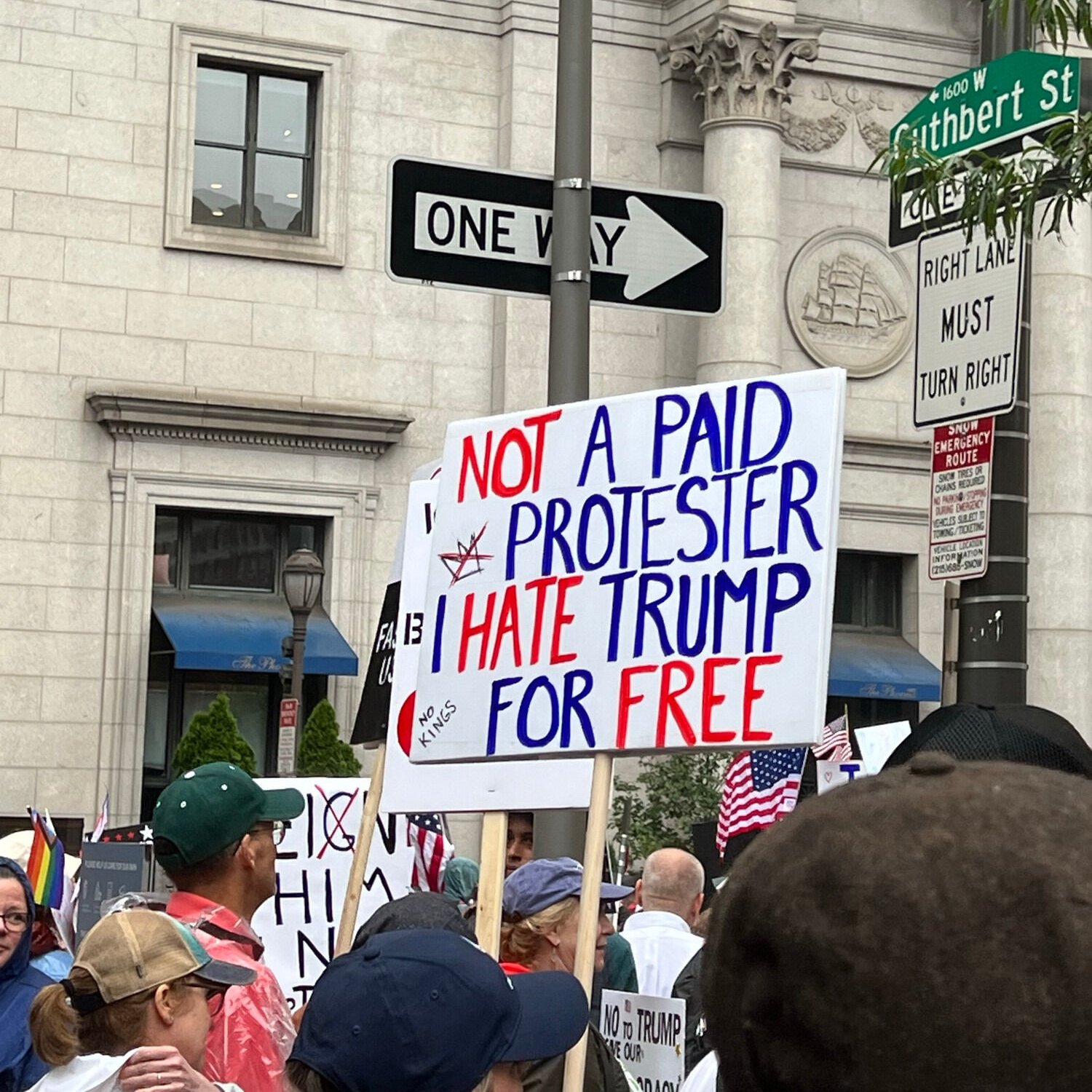 |
| Image Source: Alex Cole |
The demonstrations, spread from urban centers like New York City and Chicago to small-town squares in rural America, were a defiant stand against what many view as President Donald Trump’s consolidation of unchecked executive power.
Protesters--diverse in background and motive--voiced concern over perceived threats to the country’s founding principles, including free speech, an independent judiciary, press freedoms, and equal rights.
Symbolism played a defining role in Saturday’s protests. Protesters wore yellow, a visual nod to unity and peaceful resistance, and many donned costumes ranging from inflatable chickens and frogs to colonial-era outfits--highlighting both creative dissent and a rejection of militaristic imagery.
Protest signs called out issues ranging from billionaires’ political influence to immigration policy, while chants echoed classic resistance slogans that emphasized inclusivity and democracy.
The sentiment fueling the protests stemmed not just from policy but from a growing unease about democratic backsliding. Many feared that the administration’s aggressive approach to immigration--raids, deportations, family separations--and efforts to deploy federal forces to Democratic-led cities signaled a disturbing shift toward authoritarianism.
Some participants, many of them first-time demonstrators or older citizens who had protested in earlier decades, described the current moment as uniquely perilous.
In Washington, D.C., a banner representing the U.S. Constitution was signed by protesters as a symbolic act of recommitment to democratic values. In New York’s Times Square, tens of thousands rallied under the watch of a significant police presence.
Chicago saw a similarly massive turnout, with some demonstrators expressing concern over federal policy changes to healthcare, housing, and education. In Portland and Los Angeles--frequent flashpoints in past protests--residents continued their satirical resistance with costumes and performances, mocking what they saw as exaggerated government narratives of chaos.
While the protests were mostly nonviolent, isolated incidents were reported. Law enforcement confirmed a few altercations, including a firearm incident in South Carolina and minor scuffles in Georgia. Organizers reiterated their commitment to nonviolence, having trained thousands in de-escalation tactics and protest safety in anticipation of potential confrontation.
Criticism from the administration and certain GOP leaders came swiftly. Some Republican figures labeled the protests “anti-American,” and unsubstantiated claims tied demonstrators to radical groups. House Speaker Mike Johnson went as far as to blame the protests for prolonging the government shutdown, while others insinuated links to foreign influence.
Organizers dismissed these accusations, stating the protests had been in the works for months and were driven by grassroots frustration, not outside interference.
Security agencies, including the Department of Homeland Security (DHS), issued internal advisories warning local law enforcement about the potential for unrest. The memos urged proactive coordination with protest organizers and recommended close surveillance of known agitators.
No credible, specific threats were reported, but some states, like Texas, preemptively deployed National Guard troops--a move that drew condemnation from civil rights organizations and opposition lawmakers who compared such actions to tactics employed by authoritarian regimes.
As tensions remain high between federal authorities and protest groups, organizers say they are prepared for further escalations, particularly if future demonstrations are met with military force.
Some legal experts have raised alarms about the administration’s use of presidential emergency powers to justify troop deployments during peaceful civic action, calling such measures constitutionally suspect.
Beyond the spectacle of numbers, the protests carried a deeper message. For millions, this was not just about one political figure or party--it was a warning flare about the health of American democracy.
Protesters expressed concern that the institutional guardrails--Congressional oversight, independent courts, free media--are being eroded, and that civil society must step up where government accountability has faltered.
In a political climate where parody and satire have become defensive tools, local leaders and ordinary citizens alike are challenging the administration’s narrative through creativity, resilience, and civic engagement.
From chicken suits mocking “military zones” to patriotic displays grounded in constitutional values, the No Kings movement has taken a bold, decentralized form--crossing party lines and generational divides.
In an age of disinformation, many protesters say the most radical thing they can do is show up--peacefully, but unmistakably--and say that this government, and this democracy, belongs to the people, not to kings.